

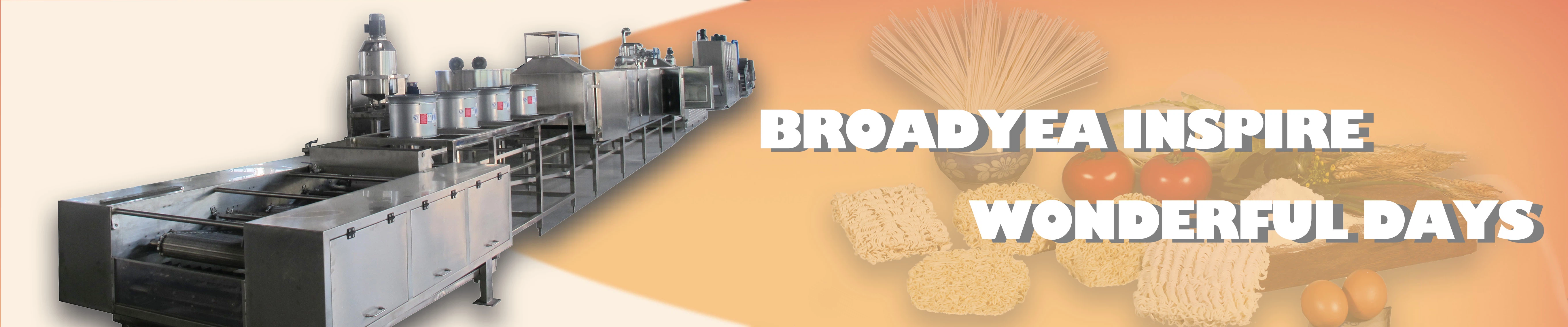
Dumpling Wrapper Production Line
Your most reliable manufacturers and suppliers of wonton wrapper machine in China. Our factory also supports customized service. Be free to get wonton wrapper machine made in China from us.
Dumpling wrapper production line is a mechanized system designed for the efficient and mass-scale manufacturing of dumpling wrappers, a fundamental component in the preparation of dumplings. This production line typically consists of several interconnected machines and processes, each dedicated to specific tasks in the production sequence. Initially, raw ingredients such as flour and water are mixed to form a dough, which is then processed through a rolling and flattening unit to achieve the desired thinness and consistency for the wrappers. The automated nature of the production line ensures precision and speed in these stages. Following the cutting process, the wrappers may undergo additional steps such as flour dusting or stacking before being packaged for distribution.
Advantages of Dumpling Wrapper Production Line
High production capacity
One of the primary advantages is the ability to achieve high production volumes. The automated machinery operates continuously, enabling the production of a large quantity of dumpling wrappers in a relatively short time frame, meeting the demands of the market efficiently.
Consistent quality
The precision and accuracy of the production line ensure uniformity in the size, thickness, and texture of each dumpling wrapper. This consistency enhances the overall quality of the product, meeting stringent standards and customer expectations.
Labor efficiency
Automation reduces the reliance on manual labor for repetitive and time-consuming tasks. The Dumpling Wrapper Production Line streamlines the manufacturing process, freeing up human resources for more skilled and supervisory roles, while also minimizing the risk of human errors.
Cost savings
While initial investment in a production line may be substantial, the long-term cost savings are significant. Automation reduces labor costs, increases overall efficiency, and minimizes waste, contributing to a more cost-effective production process in the long run.
-
![Wonton Wrapper Equipment Flour Conveying Equipment]() Wonton Wrapper Equipment Flour Conveying EquipmentFlour air transport equipment *By using the machine of Roots blower to form a difference pressure, which conveyor the flour into the temporary storage tank for backup. *Composed by Roots blower,...read more
Wonton Wrapper Equipment Flour Conveying EquipmentFlour air transport equipment *By using the machine of Roots blower to form a difference pressure, which conveyor the flour into the temporary storage tank for backup. *Composed by Roots blower,...read more -
![Dumpling Wrapper Making Machine Alkali Liquid System]() Dumpling Wrapper Making Machine Alkali Liquid SystemThe system of Alkali liquid *Alkali liquid mixer used the body of octagon, the top of conical cylinder, which makes the whole machine beautiful, useful, enhance the intensity. *Alkali liquid...read more
Dumpling Wrapper Making Machine Alkali Liquid SystemThe system of Alkali liquid *Alkali liquid mixer used the body of octagon, the top of conical cylinder, which makes the whole machine beautiful, useful, enhance the intensity. *Alkali liquid...read more -
![Dumpling Wrapper Machine Flour Mixer]() Dumpling Wrapper Machine Flour MixerFlour mixer *Flour machine is a horizontal with double shaft. The inner-tank are made of stainless steel304 material and the blended wing adopts integral precision casting and surface polishing....read more
Dumpling Wrapper Machine Flour MixerFlour mixer *Flour machine is a horizontal with double shaft. The inner-tank are made of stainless steel304 material and the blended wing adopts integral precision casting and surface polishing....read more -
![Dumpling Wrapper Making Machine Aging Machine]() Dumpling Wrapper Making Machine Aging MachineFlour conveyor Ripening is commonly called waking the flour, which improves the processing properties of dough by means of time lapse. *To permeate water into the interior of protein colloid...read more
Dumpling Wrapper Making Machine Aging MachineFlour conveyor Ripening is commonly called waking the flour, which improves the processing properties of dough by means of time lapse. *To permeate water into the interior of protein colloid...read more -
![Dumpling Wrapper Machine Manufacturer Compound Rolling Machine]() Dumpling Wrapper Machine Manufacturer Compound Rolling Ma...Compound rolling machine *Adopt two group of feeder and one group of compound rolling. The group of feeder adopts the drawing roller, which can effectively reduce the damage of noodle belt and...read more
Dumpling Wrapper Machine Manufacturer Compound Rolling Ma...Compound rolling machine *Adopt two group of feeder and one group of compound rolling. The group of feeder adopts the drawing roller, which can effectively reduce the damage of noodle belt and...read more -
![Automatic Wonton Wrapper Machine Continuous Rolling Machine]() Automatic Wonton Wrapper Machine Continuous Rolling MachineContinuous rolling machine *The placement of slitter in 10 degrees, can make the noodle of silk is even and tidy and reduce the weight difference in unit volume. *The material of roller and gear,...read more
Automatic Wonton Wrapper Machine Continuous Rolling MachineContinuous rolling machine *The placement of slitter in 10 degrees, can make the noodle of silk is even and tidy and reduce the weight difference in unit volume. *The material of roller and gear,...read more -
![Automatic Dumpling Making Machine Folding Machine]() Automatic Dumpling Making Machine Folding MachineFolding machine Automatic cutting program control, the cutter will automatic cut-off the noodle weigh in accurately when the required amount of weight is reached.read more
Automatic Dumpling Making Machine Folding MachineFolding machine Automatic cutting program control, the cutter will automatic cut-off the noodle weigh in accurately when the required amount of weight is reached.read more -
![Wonton Wrapper Maker Machine Wrapper Cutting Machine]() Wonton Wrapper Maker Machine Wrapper Cutting MachineWrapper cutting machine There are lots of wrapper tools for wrapper cutting machine. Achieve multi - use of one machine. The finished wrapper has regular shape and uniform thickness.read more
Wonton Wrapper Maker Machine Wrapper Cutting MachineWrapper cutting machine There are lots of wrapper tools for wrapper cutting machine. Achieve multi - use of one machine. The finished wrapper has regular shape and uniform thickness.read more


Why Choose Us
Professional team
Broadyea® who is specialized in Noodles Machinery Manufacture by R&D,production,sales,after-sales service,
Rich Experience
We have a great experienced design engineers and manufacture technicians with more than thirty years experience, which forms a rounded management system of rules and process.
Global Shipping
And our productions are exported to USA, Brazil, Roumania, Southeast of Asia and many other countries.
Custom Service
Our company are not only to provide the equipment to our customers, but also furnish customers with relevant the process of production and technical assistance, as well as the equipment of installation, setting-up, personnel training, after-sales service etc.
Types of Dumpling Wrapper Production Line
Manual dumpling wrapper production line
This type involves a more hands-on approach, where operators are responsible for tasks such as dough mixing, rolling, and cutting manually.It is suitable for smaller-scale operations or those who prefer a more traditional or artisanal approach to dumpling wrapper production.
Semi-automatic dumpling wrapper production line
Combining both manual and automated processes, this production line typically includes automated machines for mixing and rolling dough, with manual intervention for cutting and shaping the wrappers.It offers a balance between efficiency and the human touch, making it suitable for mid-sized enterprises.
Fully automatic dumpling wrapper production line
In this type, the entire production process is automated, from mixing the dough to cutting and packaging the wrappers.It is ideal for large-scale manufacturing, providing high production capacities and consistent product quality with minimal human intervention.
Continuous dumpling wrapper production line
These production lines are designed for non-stop operation, allowing for continuous manufacturing with minimal downtime.Continuous lines are efficient for meeting high-volume demands and ensuring a steady output of dumpling wrappers.
Customizable dumpling wrapper production line
Some production lines are designed to be flexible and customizable, allowing to easily adjust parameters such as wrapper size, thickness, and shape to meet specific market demands.This type is suitable for businesses that produce a variety of dumpling products with different specifications.
Integrated dumpling manufacturing system
This type of production line may be part of a more extensive integrated manufacturing system that includes additional equipment for filling, folding, and assembling dumplings.It provides a comprehensive solution for businesses involved in the production of filled and assembled dumplings.
How to Choose Dumpling Wrapper Production Line
Production capacity
Evaluate the production capacity of the production line to ensure it aligns with your business needs. Consider both current and future demands to avoid outgrowing the system too quickly.
Automation level
Determine the level of automation that suits your production requirements. Manual, semi-automatic, and fully automatic options are available, each with its own implications for labor, efficiency, and cost.
Customization options
If your business produces a variety of dumpling wrapper sizes, thicknesses, or shapes, opt for a production line that offers customization options. Versatility in production is essential to meet diverse market demands.
Quality and consistency
Assess the ability of the production line to consistently produce high-quality dumpling wrappers. Look for features that ensure uniform thickness, size, and texture, as well as the ability to maintain these standards over time.
Footprint and layout
Consider the physical space available for the production line in your facility. Choose a system that fits well within your layout, allowing for efficient workflow and easy integration into the existing production process.
Ease of operation and maintenance
Opt for a production line that is user-friendly and easy to operate. Consider the maintenance requirements and ensure that the system comes with clear instructions and reliable support to minimize downtime.
Hygiene and safety standards
Prioritize production lines designed with hygiene and safety standards in mind. Features such as easy cleaning, stainless steel construction, and compliance with food safety regulations are important considerations.
Energy efficiency
Assess the energy consumption of the production line. Choose equipment that is energy-efficient to reduce operational costs and environmental impact.
Material of Dumpling Wrapper Production Line


Frame and structure
Stainless steel: The frame and structural components are often made of stainless steel due to its durability, corrosion resistance, and ease of cleaning. Stainless steel also meets hygiene standards required in food processing.
Conveyor belts
Food-grade polymer or stainless steel: Conveyor belts in the production line are typically made of food-grade materials such as polyethylene or stainless steel to ensure they are safe for contact with food products.
Rolling and cutting components
Food-grade stainless steel or aluminum: Components involved in rolling and cutting the dough are commonly made from food-grade stainless steel or aluminum, combining durability with a smooth, non-reactive surface.
Mixing and dough preparation components
Stainless steel: Parts involved in mixing and preparing the dough may also be constructed from stainless steel for its resistance to corrosion and ease of cleaning.
Control panels and enclosures
Stainless steel or industrial-grade plastic: Control panels and enclosures are often made from stainless steel or robust industrial-grade plastic, providing protection for electronic components and ensuring longevity in industrial environments.
Bearings and moving parts
Stainless steel or high-quality bearings: Bearings and moving parts are often made from stainless steel or high-quality bearings to withstand the repetitive and sometimes demanding nature of the production process.
Hoppers and trays
Food-grade plastics or stainless steel: Hoppers and trays that hold ingredients or intermediate products are commonly made from food-grade plastics or stainless steel, ensuring they are safe for food contact.
Pneumatic and hydraulic components
Stainless steel or corrosion-resistant materials: Components involving pneumatic or hydraulic systems may use stainless steel or other corrosion-resistant materials to prevent deterioration over time.
Seals and gaskets
Food-grade rubber or silicone: Seals and gaskets used in the production line are typically made from food-grade rubber or silicone to maintain hygiene standards and prevent contamination.
How Is the Dough Prepared in Dumpling Wrapper Production Line
Ingredient mixing
The process begins by combining the necessary ingredients. Common ingredients include wheat flour, water, and sometimes salt. Some recipes may also include additives for texture or preservatives.
Batch mixing or continuous mixing
The mixed ingredients can be processed using either batch mixing or continuous mixing. Batch mixing involves combining a specific quantity of ingredients in a mixer for a set duration. Continuous mixing involves a continuous flow of ingredients through the mixing equipment.
Kneading
Kneading is a critical step that follows mixing. It helps develop gluten in the dough, contributing to the desired elasticity and texture of the dumpling wrappers. Kneading can be done manually or using specialized kneading machines in an industrial setting.
Resting period
After kneading, the dough is allowed to rest. This resting period allows the gluten to relax, making the dough easier to handle and improving the texture of the final product.
Dividing and portioning
The dough is then divided into smaller portions. The size of each portion depends on the desired size of the dumpling wrappers. This step is often automated in industrial production lines.
Sheeting or rolling
The divided portions of dough are rolled or sheeted into thin, flat sheets. Sheet thickness can be adjusted based on the specific requirements of the dumpling wrapper. Industrial production lines use sheeting machines to achieve consistent thickness.
Cutting
Once the sheets are rolled out, cutting machines come into play. These machines are equipped with specific tools or molds to cut the sheets into individual dumpling wrappers. The cutting mechanism may vary to produce wrappers of different shapes and sizes.
Packaging or further processing
After cutting, the dumpling wrappers are typically either packaged immediately or sent for further processing, such as cooking or freezing, depending on the production line's specifications.
How Are Dumpling Wrapper Sheets Shaped and Rolled out in the Production Line
Dough mixing
The process begins with the preparation of the dough, typically a mixture of flour, water, and sometimes other ingredients. In an automated production line, this step may involve a dough mixing machine where the ingredients are combined to form a consistent dough.
Dough feeding and flattening
The prepared dough is then fed into a dough feeder or conveyor system that transports it to the flattening unit. This unit is designed to evenly roll out the dough to achieve the desired thickness for the dumpling wrappers.
Rolling mechanism
A rolling mechanism, often consisting of one or multiple sets of rollers, is employed to flatten the dough to the specified thickness. The rollers exert pressure on the dough, gradually reducing its thickness as it passes through.
Cutting process
Once the dough reaches the desired thickness, a cutting mechanism is activated to shape the dough into individual dumpling wrappers. This cutting process can involve circular or square cutting tools, depending on the desired wrapper shape.
Collection or stacking
After cutting, the individual dumpling wrappers are then collected or stacked in an organized manner. This stage may involve conveyor belts or other automated systems to transport the wrappers to the next phase of the production line.
In the typical Dumpling Wrapper Production Line, the focus is on the preparation and shaping of the dumpling wrappers rather than the final cooking or steaming step. The production line is designed to produce raw dumpling wrappers that are then filled, folded, and cooked separately in the next stages of dumpling production.
The cooking or steaming of dumplings usually occurs in a separate processing line or as part of the final assembly process. After the dumpling wrappers are shaped, they are often filled with various ingredients such as meat, vegetables, or other fillings. The filled dumplings are then typically steamed, boiled, or pan-fried to cook the filling and finish the dumpling.
The separation of the wrapper production from the cooking process allows for greater flexibility and versatility in dumpling manufacturing. It enables producers to create different types of dumplings with various fillings and cooking methods without having to modify the initial wrapper production line. This modular approach to dumpling production is common in the food industry and allows for efficient and customizable manufacturing processes.
How Does the Drying Process Work in a Dumpling Wrapper Production Line
Drying time
The drying time can vary depending on factors such as wrapper thickness, ambient conditions, and the desired moisture content. The wrappers need sufficient time to lose excess moisture without becoming overly brittle.
Flipping or turning
To promote even drying, some production lines incorporate mechanisms to flip or turn the dumpling wrappers during the drying process. This helps ensure that both sides of the wrappers dry uniformly.
Conveyor belt or drying rack
After the dumpling wrappers are cut and shaped, they are transported to a drying area using a conveyor belt or other automated systems. In some cases, the wrappers may be placed on drying racks.
Air drying
The most common method of drying dumpling wrappers is through air drying. The wrappers are laid out in a single layer on the conveyor belt or drying racks, allowing air to circulate around them.
Controlled environment
The drying area is often a controlled environment with regulated temperature and humidity levels. This helps ensure uniform drying and prevents the wrappers from drying out too quickly or unevenly.
What Quality Control Measures Are in Place During Dumpling Wrapper Production
Thickness and size control
Automated systems or sensors monitor the thickness and size of the dumpling wrappers. Deviations from specified parameters can trigger adjustments in the production line to maintain consistency.
Visual inspection
Operators or automated cameras inspect the appearance of the dumpling wrappers for any irregularities, discolorations, or imperfections. This helps ensure that only visually acceptable wrappers move forward in the production process.
Moisture content monitoring
Instruments may be used to measure the moisture content of the dumpling wrappers. Maintaining the correct moisture level is crucial to prevent issues such as sticking during processing and to achieve the desired texture.
Weight control
Automated systems may be in place to monitor the weight of individual dumpling wrappers. This control measure ensures that each wrapper meets the specified weight requirements, contributing to consistency in the final product.
Uniformity in cutting
The cutting mechanism is monitored to ensure that each dumpling wrapper is cut with precision. This includes checking for consistent shapes and edges, preventing irregularities in the wrappers.
Hygiene and sanitation checks
Regular checks are conducted to ensure that the production equipment and facilities meet hygiene and sanitation standards. This includes cleaning protocols and the use of food-grade materials to prevent contamination.
Dough composition analysis
Periodic analysis of the dough composition, including ingredients and ratios, helps maintain the consistency of the dumpling wrappers and ensures adherence to recipe specifications.
Temperature and humidity control
The production environment is monitored to control temperature and humidity levels. This is particularly important during processes like drying to ensure uniform drying and prevent issues like excessive brittleness or uneven texture.
Packaging inspection
Before packaging, a final inspection may be conducted to check the appearance and quality of the dried dumpling wrappers. This step ensures that only satisfactory products are sent for distribution.
Things to Note When Using Dumpling Wrapper Production Line


Equipment calibration
Regularly calibrate the production line equipment to ensure accurate measurements and consistent quality in the dumpling wrappers. This includes checking the thickness settings, cutting mechanisms, and other parameters.
Ingredient quality
Use high-quality ingredients for the dumpling wrapper dough. The quality of the raw materials directly impacts the final product, including factors like texture and taste.
Hygiene and sanitation
Maintain a high level of cleanliness throughout the production line. Regularly clean and sanitize equipment to prevent contamination and ensure food safety.
Temperature and humidity control
Monitor and control the temperature and humidity in the production environment, especially during processes like dough mixing and drying. Consistent conditions help achieve uniform product quality.
Quality control checks
Implement thorough quality control checks at various stages of the production process. This includes monitoring thickness, size, visual appearance, and other critical parameters.
Maintenance schedule
Establish a regular maintenance schedule for the production line machinery. Timely maintenance prevents breakdowns, extends the lifespan of equipment, and ensures consistent performance.
Production planning
Plan production schedules based on demand forecasts. This helps avoid overproduction or shortages, optimizing the efficiency of the production line.
Adjustability and flexibility
If the production line allows for customization, be aware of how to adjust settings for different wrapper sizes, shapes, or thicknesses. This adaptability is crucial for meeting diverse market demands.
Working principle of a Dumpling Wrapper Production Line involves a systematic and automated process designed for the efficient and precise manufacturing of dumpling wrappers. The production line typically begins with the preparation of dough, combining ingredients such as flour and water in controlled proportions. The mixed dough is then fed into the production line, where it undergoes a series of stages. Initially, the dough is flattened to the desired thickness by passing through rolling mechanisms. Subsequently, a cutting mechanism shapes the flattened dough into uniform dumpling wrappers, whether circular or square, based on the specified requirements. The wrappers then move through a drying process, allowing them to achieve the necessary texture and consistency. Throughout the entire process, the production line is equipped with sensors and controls to monitor and adjust parameters such as thickness, size, and quality.
Components of Dumpling Wrapper Production Line
Dough mixing system
This component is responsible for combining flour, water, and other ingredients to create a consistent and well-mixed dough. It may involve mixing tanks, conveyors, and automated measuring systems.
Dough feeding system
The dough feeding system transports the mixed dough to the next stage of the production line. This can include conveyor belts, augers, or other mechanisms for controlled dough transfer.
Flattening unit
The flattening unit is equipped with rolling mechanisms that flatten the dough to the desired thickness. It ensures uniformity and precision in preparing the dough for the cutting stage.
Cutting mechanism
The cutting mechanism shapes the flattened dough into individual dumpling wrappers. It may utilize circular or square cutting tools depending on the desired wrapper shape. The mechanism is often adjustable for different wrapper sizes.
Drying system
Dumpling wrappers need to go through a drying process to achieve the appropriate texture and reduce moisture content. The drying system can involve conveyors, racks, and controlled environmental conditions to facilitate efficient drying.
Conveyor belts and transfer systems
Throughout the production line, conveyor belts and transfer systems move the dumpling wrappers from one stage to another. These components play a crucial role in maintaining a continuous and controlled workflow.
Control panel and sensors
A control panel is the interface through which operators can monitor and control the various parameters of the production line. Sensors are integrated throughout the line to measure factors such as thickness, size, and quality of the dumpling wrappers.
Adjustment mechanisms
Many Dumpling Wrapper Production Lines are equipped with adjustment mechanisms that allow operators to fine-tune settings based on production requirements. This includes adjusting thickness, cutting sizes, and other parameters.
Quality control stations
Quality control stations involve cameras, sensors, or manual inspection points where operators can check the quality of dumpling wrappers. This ensures that only products meeting specified standards move forward in the production process.
Packaging system
The packaging system involves components such as conveyors, counting mechanisms, and packaging equipment to prepare the dried dumpling wrappers for distribution and sale.
How to Maintain Dumpling Wrapper Production Line
Regular cleaning
Establish a regular cleaning schedule for all components of the production line, including mixing and kneading machines, sheeters, cutting tools, conveyor belts, and any other relevant equipment. Ensure that cleaning procedures are thorough to prevent the buildup of dough residues.
Lubrication
Lubricate moving parts as recommended by the equipment. Regular lubrication helps reduce friction, prevents wear and tear, and ensures smooth operation.
Inspect and replace parts
Regularly inspect all components for signs of wear, damage, or malfunction. Replace worn-out or damaged parts promptly to prevent production disruptions and maintain the overall efficiency of the line.
Calibration
Calibrate the machines periodically to ensure that they are operating at the correct settings. This includes checking the thickness of the dough sheets, the cutting precision, and other parameters critical to the production process.
Tighten loose bolts and fasteners
Check for loose bolts and fasteners and tighten them as needed. Vibrations during production can cause parts to become loose, leading to inefficiencies or potential safety hazards.
Monitor and control temperatures
Maintain proper temperatures in the production area, especially if the production line involves cooking, steaming, or drying processes. Proper temperature control contributes to the quality of the final product.
Check electrical components
Inspect electrical components regularly for signs of wear, damage, or overheating. Address any electrical issues promptly to prevent safety hazards and equipment malfunctions.
Certifications

Our Factory
Broadyea Machinery is a company specializing in the noodle production line. It has become an important supplier of instant noodles machine industry at home and abroad, and has a wide sales network in domestic and foreign markets. Our company's instant noodle production equipment is not only excellent in quality, leading technology, but also provide turnkey solution for the whole project, so it is welcomed by various manufacturers.Our company's sales network is very extensive, and our products are sold all over the world.

FAQ
Q: How does the dumpling wrapper production line function?
Q: What is the production capacity of the dumpling wrapper production line?
Q: Can the thickness and size of dumpling wrappers be customized?
Q: How is the dough mixing process automated within the production line?
Q: What types of cutting mechanisms are used for shaping dumpling wrappers?
Q: How is the drying process carried out, and what conditions are controlled during this stage?
Q: What safety features are integrated into the Dumpling Wrapper Production Line?
Q: Can the dumpling wrapper production line accommodate different types of flour or ingredients for dough preparation?
Q: How does the production line ensure uniformity in the thickness and size of dumpling wrappers?
Q: Is the dumpling wrapper production line energy-efficient?
Q: What is the expected lifespan of the Dumpling Wrapper Production Line, and what maintenance is required?
Q: How is the system designed to handle deviations or irregularities in the production process?
Q: Are there specific controls in place to regulate temperature and humidity during the production process?
Q: What materials are used in critical components like cutting mechanisms and conveyor belts?
Q: How does the production line handle waste generated during the manufacturing process, and what sustainability measures are implemented?
Q: Can the Dumpling Wrapper Production Line be integrated with other equipment for a complete dumpling manufacturing process?
Q: What technology is used to make dumplings?
Q: Is the production line adaptable to different environmental conditions or production facility layouts?
Q: Are there specific food safety certifications or regulatory compliance measures adhered to by the Dumpling Wrapper Production Line?
Q: How is traceability maintained throughout the production process, and what record-keeping practices are in place?
Guangzhou Broadyea Machinery Co., Ltd. is one of the most reliable manufacturers and suppliers of dumpling wrapper production line in China. Our factory also supports customized service. Be free to get dumpling wrapper production line made in China from us.
Automatic Drying Noodle Making Machine Folding Machine, Dumpling Wrapper Making Machine Aging Machine, Noodle Machine Manufacturer Compound Rolling Machine