

Hey everyone! I'm a supplier of fried noodle production lines, and today I wanna chat about the transportation requirements for these production lines.
General Considerations
Transporting a fried noodle production line is no easy feat. The thing is, these lines are made up of multiple parts and machines, each with different shapes, sizes, and weights. That means we need to take a whole bunch of factors into account to make sure everything gets to the customer in one piece.
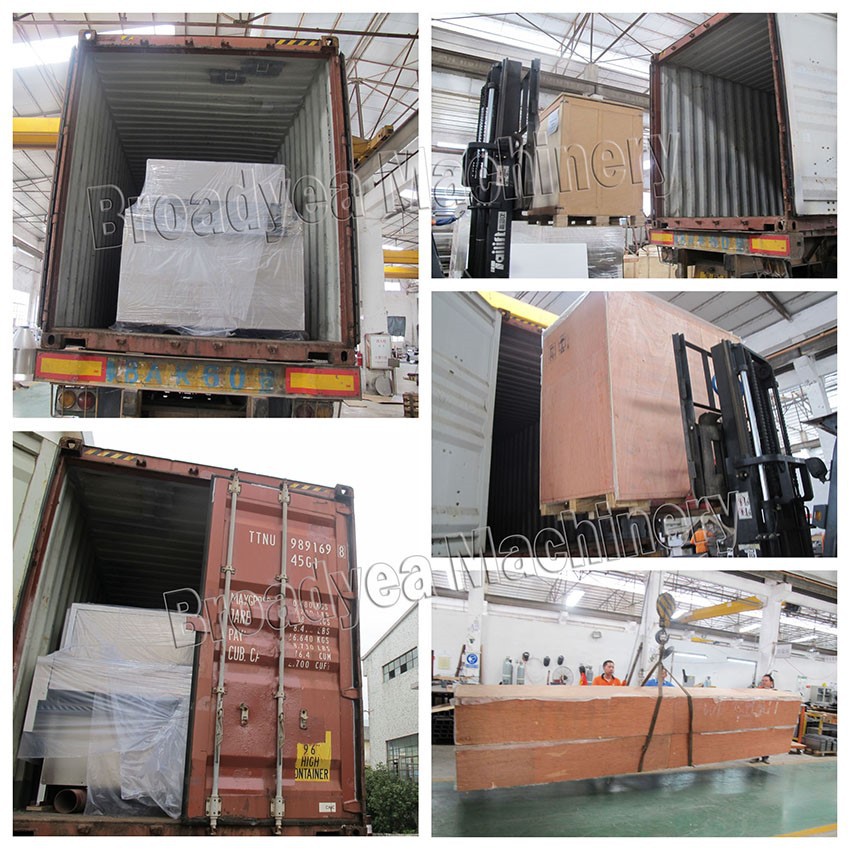
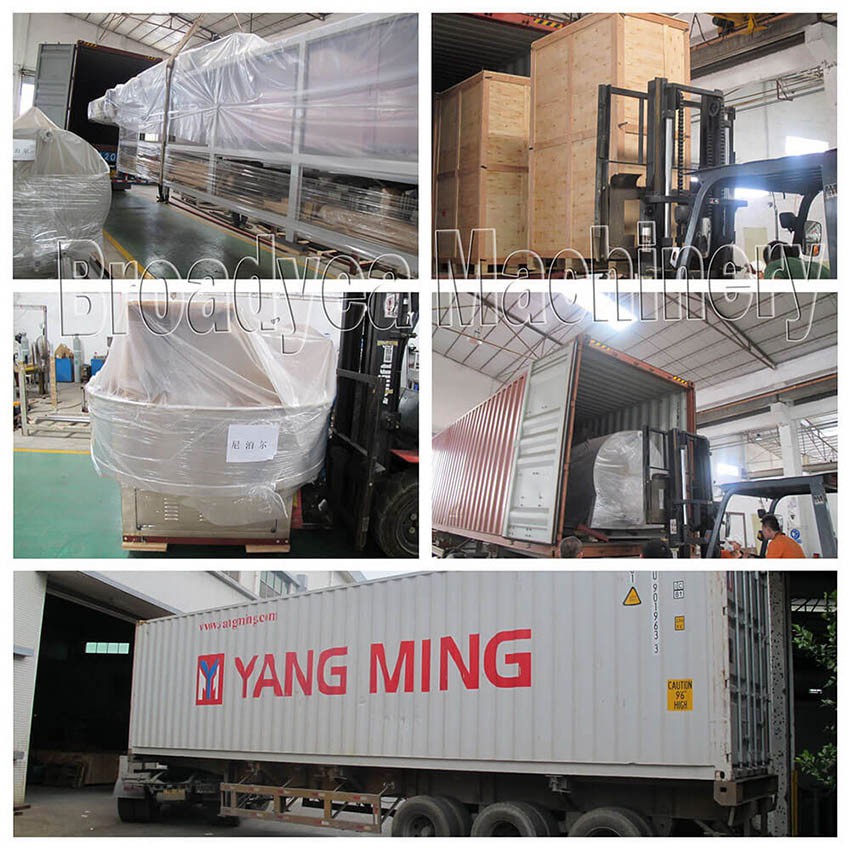
One of the first things we look at is the dimensions and weight of the equipment. You can't just throw a huge, heavy machine into any old truck. We have to measure all the components precisely to figure out the right type of transport vehicle. For lighter and smaller parts, standard trucks might do the job. But for the larger and bulkier ones, like the big fryers or long conveyors, we might need specialized flat - bed trailers or even container shipping if it's an international order.
Safety during transit is a top priority. All the equipment on the fried noodle production line is pretty expensive and delicate in some ways. We use high - quality packing materials to protect the machines from scratches, bumps, and vibrations. Foam padding, wooden crates, and plastic wraps are our go - to stuff. These materials can absorb shocks and prevent the machines from moving around too much inside the transport vehicle.
Specific Machines and Their Requirements
Let's talk about some specific machines on the fried noodle production line and their unique transportation needs.
Flour Mixer
The Waving Noodle Production Line Flour Mixer is another important machine. It has a large mixing chamber and powerful motors. The weight distribution of the mixer can be a bit tricky. We need to balance it properly on the transport vehicle to prevent it from tipping over.
Compound Rolling Machine
The Manual Noodle Equipment Compound Rolling Machine is a bit more compact compared to some of the other machines, but it still has its own set of requirements. It has multiple rollers and gears that need to be protected. We use a combination of foam and cardboard to cushion these parts.
During transportation, we make sure to keep it upright. Laying it on its side can cause the internal components to shift and damage the machine. And since it might be a bit more accessible to the outside environment during transport, we also add an extra layer of dust - proof covering to keep it clean.
Continuous Rolling Machine
The Straight Noodle Production Line Continuous Rolling Machine is a key part of the process. It's usually a large and complex piece of machinery. In terms of transport, it needs a stable and secure base to rest on. We often use custom - made wooden platforms to support it during transit. The rolling cylinders inside are very precise and can easily be damaged by rough handling. So, when we load it onto the transport vehicle, we make sure it's level and properly secured with straps.
This machine also has electrical components, and we need to protect them from moisture and dust. Before packing, we seal the electrical parts with waterproof plastic covers. And during transportation, it's best to keep it in a dry environment, away from direct sunlight and extreme temperatures.
International vs. Domestic Transport
If we're shipping the fried noodle production line domestically, we have a bit more flexibility in terms of transport options. We can use local trucking companies and have a relatively shorter delivery time. But we still need to comply with local traffic regulations and make sure the load is properly secured.
For international shipments, it gets a lot more complicated. We have to deal with customs clearance, different shipping routes, and longer transit times. Container shipping is often the best option for international orders. We need to make sure all the machines are packed tightly inside the container to make the most of the space and prevent them from moving around during the long - haul journey.
We also need to provide detailed documentation for international shipments. This includes the bill of lading, commercial invoice, packing list, and certificates of origin. These documents are crucial for getting the goods through customs smoothly.
Insurance and Tracking
When transporting a fried noodle production line, insurance is a must. Accidents can happen during transit, and having insurance can protect both us as the supplier and the customer. We usually work with reliable insurance companies to get comprehensive coverage for the equipment.
Tracking is also important. We use modern tracking systems to keep an eye on the shipment's location and status. This way, we can provide real - time updates to the customer and address any issues that might arise during the journey.
Conclusion
Transporting a fried noodle production line is a complex process that requires careful planning and attention to detail. We need to consider the specific requirements of each machine, choose the right transport method, and ensure proper packing and protection. Whether it's a domestic or international shipment, we're committed to getting the equipment to the customer safely and on time.
If you're in the market for a fried noodle production line, we'd love to have a chat with you. We can discuss your specific needs, the transportation options available, and how we can make the whole process as smooth as possible for you. Don't hesitate to reach out and start a conversation about your procurement needs.