

Hey there! As a supplier of instant noodle production equipment, I've seen firsthand the transformation in the industry over the years. Today, I'm going to talk about the advantages of modern instant noodle production equipment compared to the traditional ones.
Efficiency and Productivity
One of the most significant advantages of modern equipment is its efficiency. Traditional instant noodle production methods were often labor-intensive. Workers had to perform tasks like mixing the dough, cutting the noodles, and frying them by hand or with the help of basic machinery. This process was slow and prone to human error.
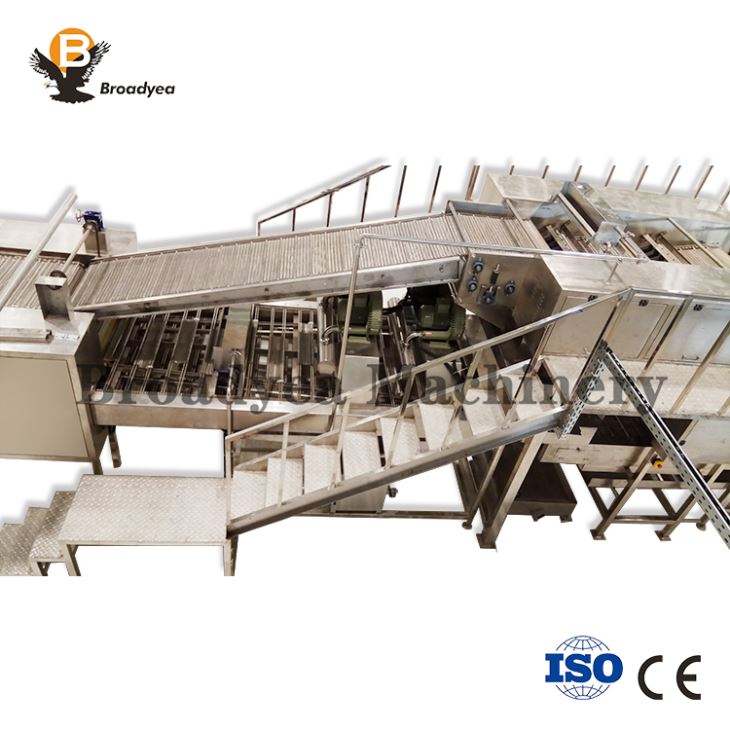
In contrast, modern instant noodle production equipment, such as the Multifunctional Instant Noodle Production Line, is highly automated. It can handle large volumes of production in a short time. For example, the dough-mixing process is now done by advanced mixers that can precisely control the water-to-flour ratio, ensuring consistent quality. The cutting and shaping of noodles are also automated, with machines capable of producing noodles of different shapes and sizes at high speed.
Moreover, modern equipment can operate continuously for long periods. Traditional equipment often required frequent breaks for maintenance and adjustment. With modern technology, maintenance can be scheduled more efficiently, and the equipment can run almost nonstop, increasing overall productivity.
Quality and Consistency
Quality is a top priority in the instant noodle industry. Traditional production methods made it difficult to achieve consistent quality across batches. Factors like human error in measuring ingredients, inconsistent cooking times, and variations in the frying process could lead to differences in the taste, texture, and appearance of the noodles.
Modern instant noodle production equipment, like the Automatic Frying Noodle Maker Frying Machine, uses advanced sensors and control systems to ensure consistent quality. These machines can precisely control the temperature, time, and other parameters during the frying process. This results in noodles that have a uniform texture, color, and taste.
In addition, modern equipment can also better preserve the nutritional value of the noodles. For example, some advanced machines use low-temperature frying techniques, which help to retain more vitamins and minerals in the noodles compared to traditional high-temperature frying methods.

Flexibility and Customization
The modern market demands a wide variety of instant noodles. Consumers are looking for different flavors, shapes, and packaging options. Traditional production equipment was often limited in terms of the types of noodles it could produce.
Modern instant noodle production equipment, such as the Modular Design Noodle Line, offers greater flexibility. It can be easily reconfigured to produce different types of noodles. For example, the same machine can be adjusted to make thin or thick noodles, straight or curly noodles, and even noodles with different fillings.
This flexibility also extends to the packaging process. Modern equipment can handle different types of packaging materials, such as bags, cups, and bowls. It can also print different labels and designs on the packaging, allowing manufacturers to create unique and attractive products for the market.
Cost-effectiveness
Although the initial investment in modern instant noodle production equipment may be higher than that of traditional equipment, it offers long-term cost-effectiveness.
Firstly, as mentioned earlier, modern equipment is more efficient and productive. This means that manufacturers can produce more noodles in less time, reducing labor costs. With automation, fewer workers are needed to operate the production line, and the workers can be assigned to more value-added tasks.
Secondly, modern equipment has a lower failure rate and requires less maintenance compared to traditional equipment. This reduces the cost of repairs and downtime. Additionally, modern equipment is often more energy-efficient, which can lead to significant savings in energy costs over time.
Safety and Hygiene
In the food industry, safety and hygiene are of utmost importance. Traditional instant noodle production methods often involved more manual handling, which increased the risk of contamination. Workers' hands could introduce bacteria and other contaminants into the production process.
Modern instant noodle production equipment is designed with safety and hygiene in mind. It is made of food-grade materials that are easy to clean and disinfect. Many machines have enclosed systems that prevent dust, dirt, and other contaminants from entering the production process.
Moreover, modern equipment often has built-in safety features, such as emergency stop buttons and sensors that detect malfunctions. This helps to protect the workers and ensure the safety of the production process.
Conclusion
In conclusion, modern instant noodle production equipment offers numerous advantages over traditional ones. It is more efficient, produces higher-quality products, offers greater flexibility, is cost-effective, and ensures better safety and hygiene.
If you're in the market for instant noodle production equipment, I'd highly recommend considering modern options. They can help you stay competitive in the ever-evolving instant noodle industry. Whether you're a small-scale producer or a large-scale manufacturer, the right equipment can make a big difference in your business.
If you're interested in learning more about our instant noodle production equipment or want to discuss your specific needs, feel free to reach out to us. We're here to help you find the best solution for your production requirements.
References
- Industry reports on instant noodle production technology
- Case studies of modern instant noodle production facilities